Siding is a key part of your home's exterior, protecting the structure from weather while defining its appearance — and like roofing, it's vulnerable to Colorado's hail and wind. When a storm damages siding, it can crack, pock, or loosen it, compromising both protection and looks, and because the same storms that damage roofs damage siding, siding work is often part of a larger exterior restoration. This page explains siding, its role, common damage and material considerations, and how we approach siding repair and replacement across the Colorado Front Range — often as part of storm restoration alongside roofing.
What siding does and why it matters
Siding is the exterior cladding that covers and protects your home's walls. It serves two essential roles: protection and appearance. As protection, siding is a major part of the building envelope, shielding the structure from rain, wind, sun, and the elements and helping keep water out of the walls. As appearance, siding largely defines how your home looks — its color, texture, and style. When siding is damaged, both roles are compromised: the home may be more vulnerable to water intrusion, and it looks damaged. This dual importance is why siding damage matters, and why restoring it properly addresses both — keeping the home protected and restoring its appearance.
How storms damage siding
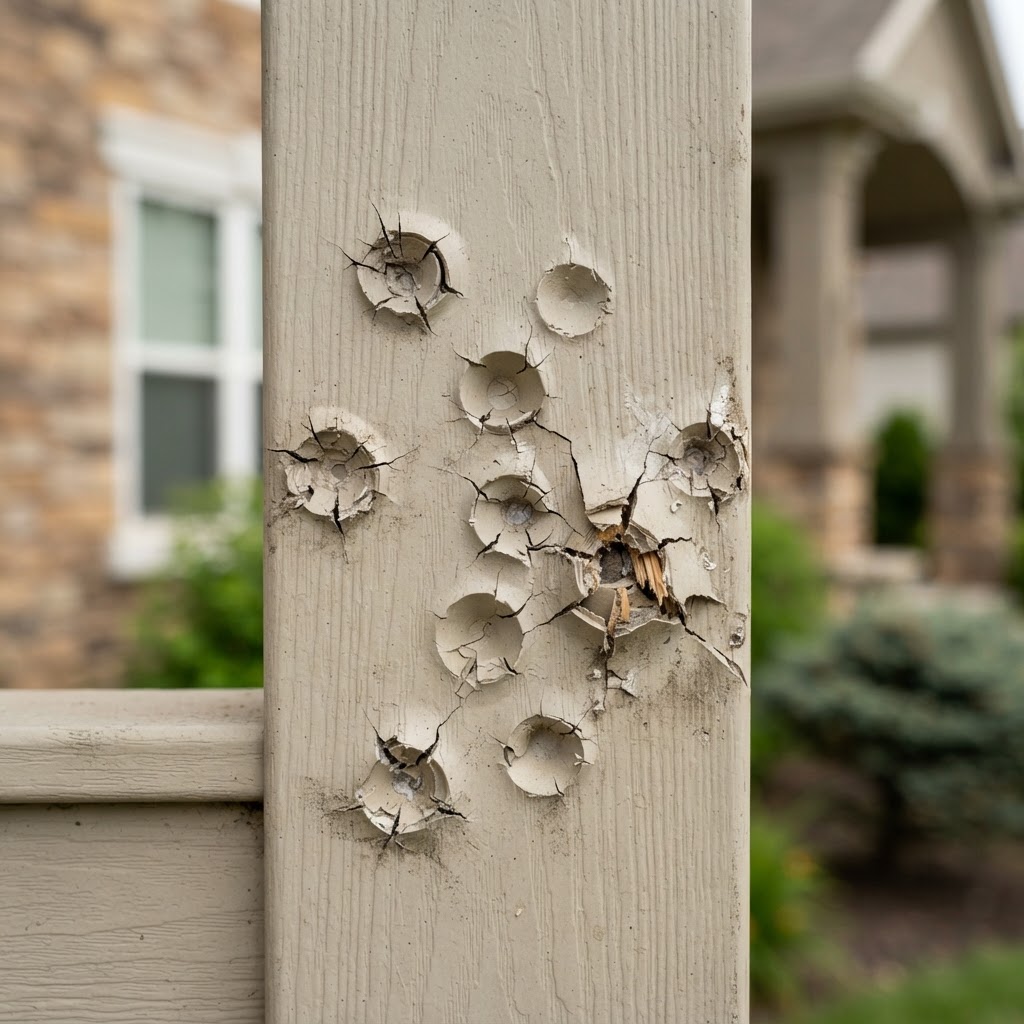
Colorado's storms damage siding in ways that parallel roof damage. Hail striking siding — especially on the storm-facing sides of a house — can crack, chip, or pock it, leaving visible damage and potentially compromising its protective function. Wind can loosen, tear, or drive debris into siding. The damage is often concentrated on the sides of the house that faced the storm, which is why siding damage is frequently uneven around a home. Like roof hail damage, siding damage ranges from cosmetic marks to functional damage that compromises protection, and as with roofing, an assessment determines which. Because the same storm that damaged your roof likely hit your siding too, checking siding after a storm is part of a complete damage assessment.
Common siding materials
- Vinyl siding is widely used, affordable, and low-maintenance, though it can crack under hail impact, particularly in cold weather when it becomes more brittle.
- Fiber cement siding is durable and resistant to many issues, offering a solid combination of durability and appearance.
- Wood siding offers a classic look but requires more maintenance.
- Metal siding is durable, though like metal roofing, it can dent.
- Engineered wood and other products round out the options. Each material has its own profile of durability, appearance, maintenance, and cost, and each responds differently to hail and Colorado conditions. When siding is being restored or replaced, the material choice matters, and we help you weigh the options for your home and situation.
Siding repair versus replacement
When damage is limited to certain areas or a portion of the siding, repair or partial replacement of the affected sections can restore the home. When damage is widespread across the siding, or when matching new siding to old becomes impractical, full replacement may make more sense. A complicating factor is matching — like roofing, matching new siding to existing weathered siding can be difficult, especially if the color has faded or the product has been discontinued, which sometimes affects the repair-versus-replacement decision and can be relevant to insurance discussions. We assess the extent of siding damage and help you understand whether repair or replacement is the sensible approach for your situation.
The siding matching challenge in detail
The difficulty of matching new siding to existing siding deserves a closer look, because it comes up so often in storm restoration and affects both the practical outcome and insurance discussions. When only part of a home's siding is damaged, the natural instinct is to replace just the damaged sections. But siding weathers over time under Colorado's intense sun, so existing siding that's several years old has often faded from its original color. New siding of the same product and color won't match the faded existing siding, and even the same product may have been reformulated or discontinued. The result is that a partial replacement can leave a home with visibly mismatched siding — new bright sections against faded older ones. This matching challenge is genuine, and it sometimes influences whether a repair or a fuller replacement makes sense, and it can be a relevant point in an insurance claim discussion about what's needed to properly restore the home. We help you understand this matching issue honestly for your specific siding, so you can make an informed decision rather than being surprised by a mismatch after the fact.
Siding as part of exterior restoration
Siding work frequently happens as part of a larger exterior restoration after a storm, and this is where it connects to roofing. When a storm damages both your roof and siding, both are typically part of the same insurance claim, and it makes sense to address them together as a coordinated exterior restoration. Handling the roof and siding together ensures all the storm damage is addressed, provides unified documentation for the claim, and results in a properly restored exterior. This is why siding is part of our exterior restoration work: when a storm damaged your whole exterior, we can restore the roof, siding, gutters, and more as one coordinated project rather than leaving you to manage separate contractors for each.
What good siding installation involves
Like roofing, siding performs based on how well it's installed, not just the material chosen. Proper siding installation involves correct fastening that allows for the material's expansion and contraction with temperature — which matters given Colorado's temperature swings — appropriate moisture management behind the siding to keep the wall assembly dry, proper flashing and detailing around windows, doors, and other penetrations where water intrusion commonly starts, and careful attention to the trim and finishing details that affect both appearance and performance. Poorly installed siding can trap moisture, crack, or fail prematurely regardless of the material's quality. When we install siding, we attend to these installation details, because they determine how well the siding protects your home and how long it lasts. Good siding is the combination of a suitable material and proper installation, just as with a good roof.
Hail-damaged siding on the storm-facing wall of a Colorado home.
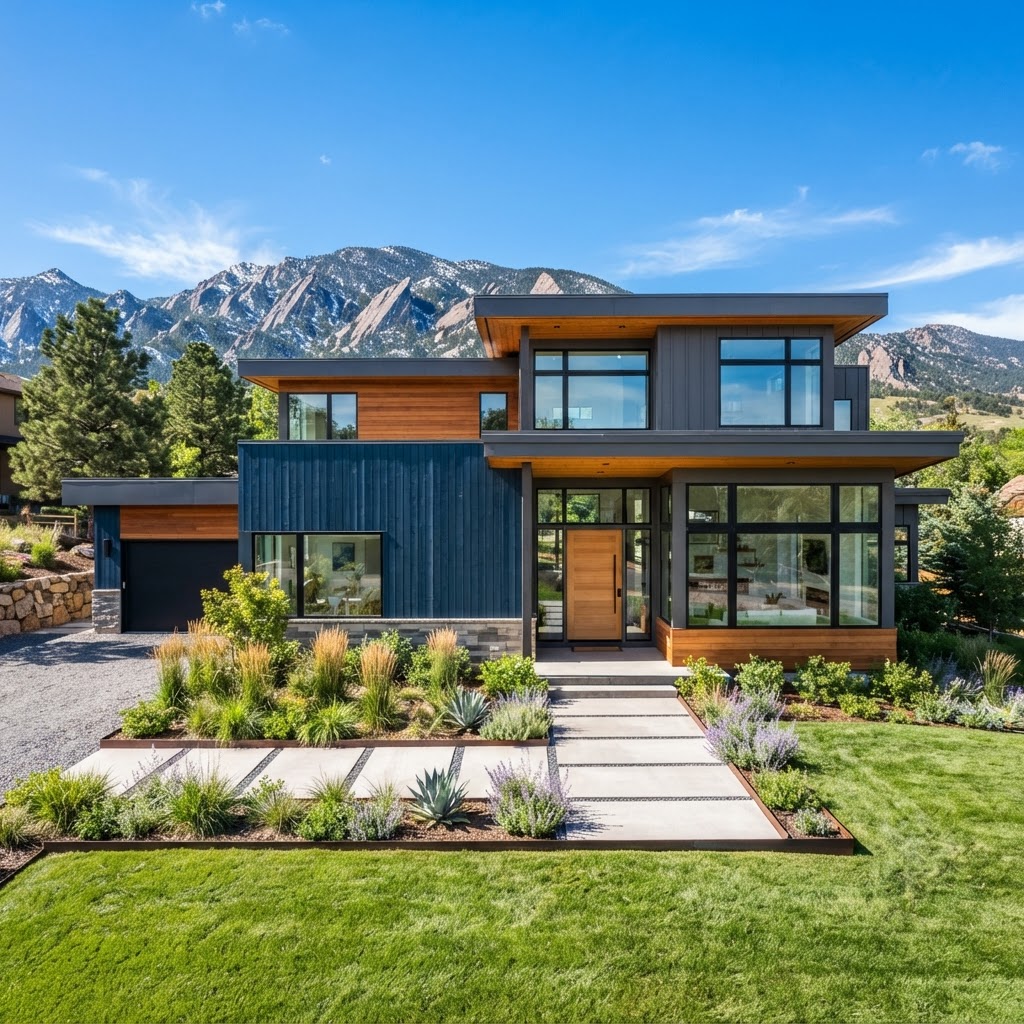
Hail-damaged siding on the storm-facing wall of a Colorado home.
Frequently Asked Questions
Written by Peter Regalado, Operations Manager · Reviewed by Mason Pastorello, Managing Director · Last reviewed: July 2026
- Licensed & insured — documentation available on request
- Free, documented roof inspections
- Real emergency service available
- 5-year workmanship warranty (manufacturer warranties vary by product)
- 30 years of construction experience
- Serving Denver, Adams, Arapahoe, Douglas, Jefferson, and El Paso counties
Promise Keepers Restoration
9615 E. County Line Rd, Ste. B-477, Centennial, CO 80112
Hours: Mon–Sat 8:00 AM–5:00 PM