Written by Peter Regalado, Operations Manager · Reviewed by Mason Pastorello, Managing Director · Last reviewed: July 2026
Class 4 impact-resistant shingles cost more than standard architectural shingles — typically a moderate premium — and whether that premium is worth it depends on your hail exposure, how long you'll own your home, and whether your insurer offers a discount. In a hail belt like Colorado's Front Range, the extra upfront cost often pays off through reduced storm damage and, in some cases, a lower insurance premium. This article explains the cost difference, what you get for it, and how to decide whether the upgrade makes sense for your situation, without inventing specific price figures, which depend on your roof.
Why Class 4 costs more than standard
Class 4 impact-resistant shingles cost more because they're built differently to earn their rating. Depending on the manufacturer, that means modified rubberized or polymer asphalt that flexes and absorbs impact, a reinforcing layer, or a heavier, more robust construction. That enhanced construction costs more to produce than standard shingles, and the price difference carries through to your roof. The premium is moderate relative to the total cost of a roof — it's an upgrade within the asphalt category, not a jump to an entirely different material like metal. On a full replacement, the incremental cost of choosing Class 4 over standard is a fraction of the whole job, which is part of why the upgrade is easiest to justify at replacement time.
What you get for the extra cost
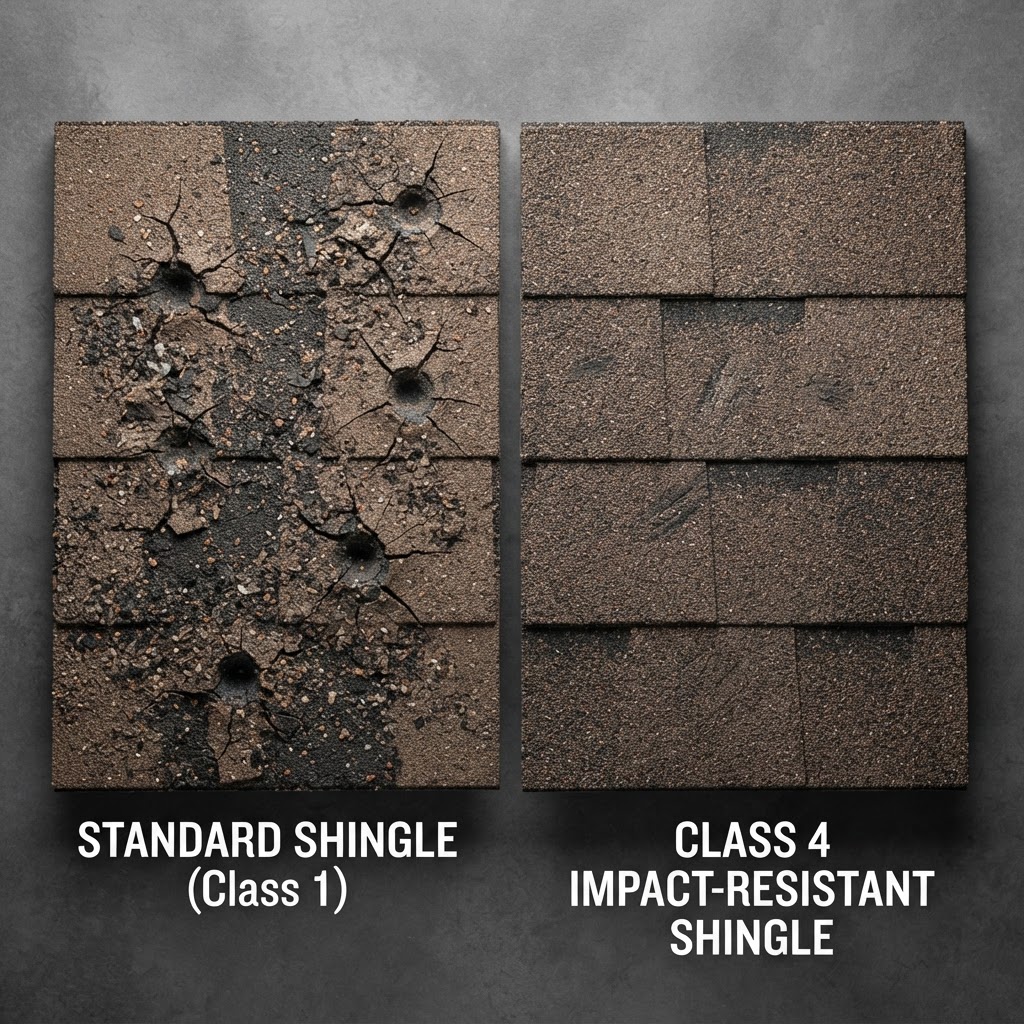
The premium buys real performance. Class 4 shingles resist hail impact far better than standard asphalt, meaning fewer bruises, cracks, and less granule loss from a given storm. In practical terms, that translates to a roof more likely to survive Colorado's frequent hail without functional damage and more likely to reach its full service life rather than being cut short by storms. For a home in a hail-prone area, that resilience has genuine value — each avoided instance of storm damage is an avoided claim, deductible, and reroof down the line. The upgrade is essentially paying a bit more upfront to reduce the odds and severity of future hail damage.
The insurance discount factor
One of the most important parts of the Class 4 cost equation is the potential insurance discount. Many insurers operating in Colorado offer a premium discount for impact-resistant roofing, because a more hail-resistant roof means fewer claims for them. Where available, this discount can offset part of the upgrade cost over time, effectively helping the shingles pay for themselves. But — and this is important — the discount varies by carrier and policy and isn't guaranteed. Before counting on it, ask your insurer directly whether they offer an impact-resistant roofing discount, how much it is, and what documentation they require (usually a manufacturer certificate showing the Class 4 rating). We can provide that documentation; the discount itself is between you and your carrier. Never assume the discount — factor it into your decision only after confirming it with your insurer.
How to decide if the premium is worth it
Whether the Class 4 premium is worth it comes down to a few honest questions:
- How much hail does your area see: The more hail-prone your location, the more value impact resistance provides.
- How long will you own the home: The longer you stay, the more storms the shingles will weather, and the more the upgrade pays off.
- Are you already replacing the roof: If so, the incremental premium is small relative to the whole job.
- Does your insurer offer a discount: Confirm this, as it changes the math.
- Have you dealt with hail claims before: Reducing future disruption has real value.
When standard shingles are the better choice
Class 4 isn't automatically right for everyone. If you're planning to sell your home soon, you may not be around long enough to recoup the premium through avoided damage or discounts. If your budget is tight and you need to minimize upfront cost, standard architectural shingles installed well still perform. And if your particular area sees less severe hail, the case is weaker. We'll give you the honest math for your situation.
Class 4 versus metal: a note on cost tiers
Homeowners weighing impact resistance sometimes also consider metal roofing. Standard architectural asphalt is the most economical option; Class 4 impact-resistant asphalt is a moderate step up; and metal roofing is a larger jump to a premium material. For a homeowner focused specifically on hail resistance without the cost of metal, Class 4 shingles are often the sweet spot.
The Colorado context
Colorado's Front Range makes the Class 4 conversation more relevant than in most of the country. In heavily hail-exposed areas, the upgrade often makes clear sense. The high-altitude UV that ages all shingles faster also means getting full life out of a roof matters, and a roof that resists storm damage is more likely to reach that full life.
Comparing the total picture
When you weigh Class 4 against standard, look at the total picture, not just the upfront difference. Standard shingles cost less now but may sustain more hail damage over their life. Class 4 costs a bit more now but may avoid some of that future cost and disruption and may earn an insurance discount. For a short ownership horizon or a low-hail situation, standard often wins the total comparison. For a long horizon in a hail belt, Class 4 often wins it.
Comparison of Class 4 impact-resistant and standard shingles after hail.
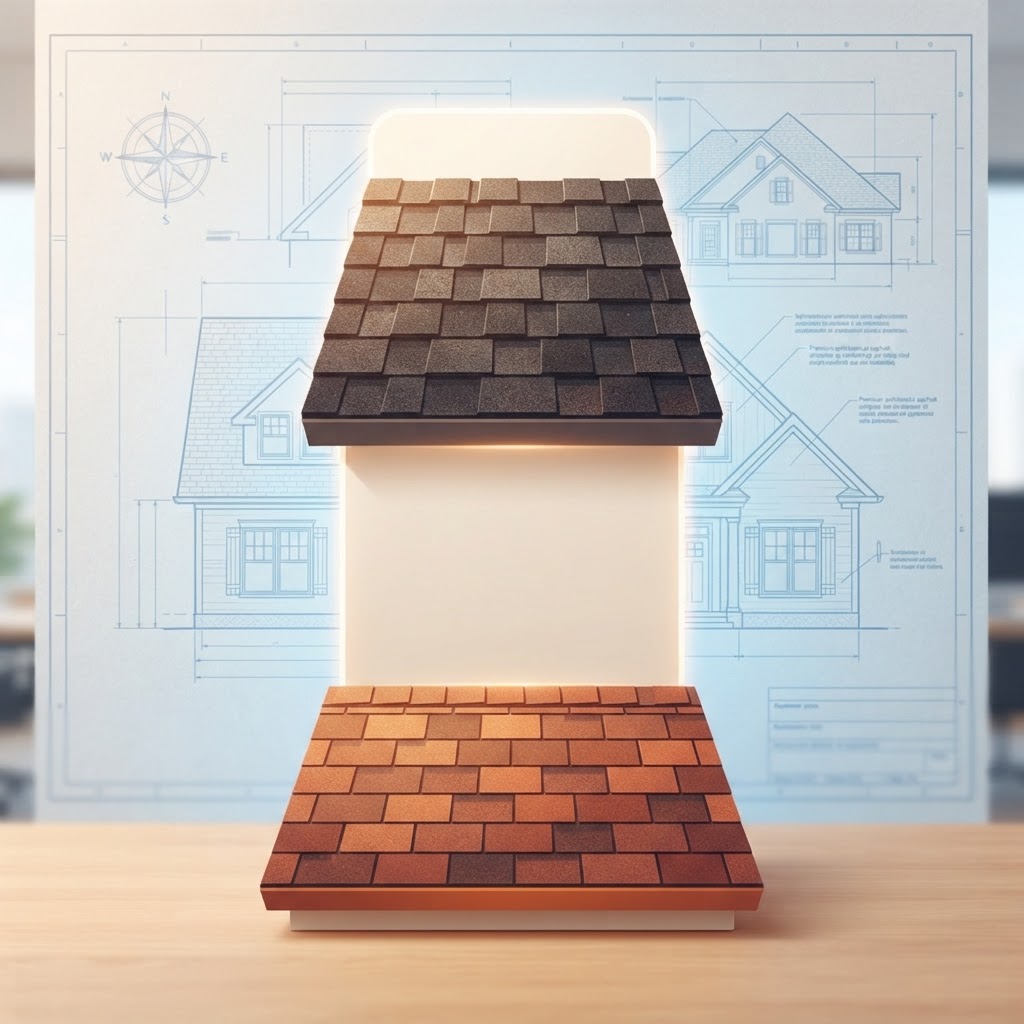
Cost tiers comparison between standard asphalt, Class 4 shingles, and metal roofing.
Frequently Asked Questions
- Licensed & insured — documentation available on request
- Free, documented roof inspections
- Real emergency service available
- 5-year workmanship warranty (manufacturer warranties vary by product)
- 30 years of construction experience
- Serving Denver, Adams, Arapahoe, Douglas, Jefferson, and El Paso counties
Promise Keepers Restoration
9615 E. County Line Rd, Ste. B-477, Centennial, CO 80112
Hours: Mon–Sat 8:00 AM–5:00 PM