
Written by Peter Regalado, Operations Manager · Reviewed by Mason Pastorello, Managing Director · Last reviewed: July 2026
Roofing affects your home's energy efficiency through several factors, including the roofing material and its reflectivity, the insulation in your attic or roof assembly, and proper ventilation — and understanding what actually helps lets you make informed choices about your roof's contribution to energy efficiency. While a roof is primarily about protection, it also plays a role in your home's energy performance, and some roofing choices affect energy more than others. This article explains how roofing relates to energy efficiency, what actually helps, and how to think about it, so you understand this dimension of your roof.
How roofing relates to energy efficiency
Your roof relates to energy efficiency because it's a major part of your home's building envelope — the boundary between your conditioned interior and the outdoors. Through the roof, heat can transfer between inside and outside, and the roof's characteristics affect this transfer. In summer, the roof can absorb solar heat that then affects the home, and in winter, heat can escape through the roof. So the roof's contribution to managing this heat transfer affects the energy needed to heat and cool your home. The roofing material, the insulation, and the ventilation all play roles in this.
The role of roofing material and reflectivity
One factor in roofing energy efficiency is the roofing material and particularly its reflectivity. Roofing materials vary in how much solar heat they absorb versus reflect. Reflective or cool roofing materials reflect more sunlight, absorbing less solar heat, which can reduce the heat the roof transfers into the home and thus reduce cooling loads.
The crucial role of insulation
While roofing material gets attention, insulation is a crucial and often more impactful factor in your home's energy efficiency. Attic or roof insulation slows heat transfer between the conditioned interior and the outdoors through the roof, and adequate insulation significantly affects the energy needed to heat and cool the home.
The role of ventilation
Proper ventilation also plays a role in energy efficiency alongside insulation. Proper attic ventilation helps manage attic heat, particularly in summer, allowing hot air to escape rather than building up and affecting the home and cooling load.
What actually helps most
Bringing these factors together, adequate insulation is a major, often the most impactful, factor. Proper ventilation works alongside insulation for a healthy, energy-performing attic. Reflective roofing can help with cooling loads, particularly in sunny climates like Colorado's.
Reflective roofing and adequate attic insulation contributing to a Colorado home's energy efficiency.
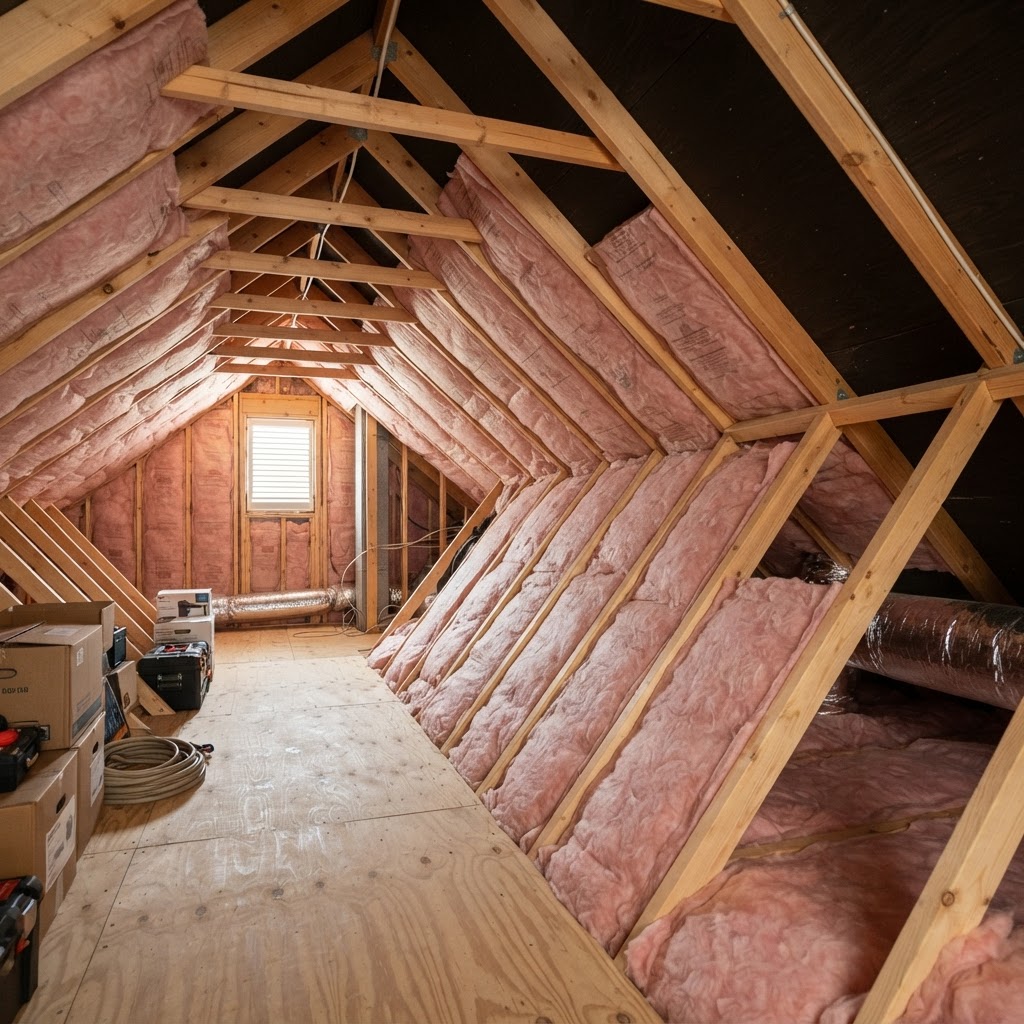
Reflective roofing and adequate attic insulation contributing to a Colorado home's energy efficiency.
Frequently Asked Questions
- Licensed & insured — documentation available on request
- Free, documented roof inspections
- Real emergency service available
- 5-year workmanship warranty (manufacturer warranties vary by product)
- 30 years of construction experience
- Serving Denver, Adams, Arapahoe, Douglas, Jefferson, and El Paso counties
Promise Keepers Restoration
9615 E. County Line Rd, Ste. B-477, Centennial, CO 80112
Hours: Mon–Sat 8:00 AM–5:00 PM