Written by Peter Regalado, Operations Manager · Reviewed by Mason Pastorello, Managing Director · Last reviewed: July 2026
Choosing between TPO, EPDM, and PVC for a commercial roof comes down to your building's priorities: TPO offers reflectivity and welded seams at a moderate cost, EPDM offers proven long-term durability, and PVC offers superior chemical resistance for buildings like restaurants. Each of these single-ply membranes has its strengths, and the right choice depends on your building, its use, your budget, and your priorities, rather than one being universally best. This article compares TPO, EPDM, and PVC across the factors that matter for a commercial roof, so building owners and property managers can understand which system fits their situation.
The three main single-ply systems
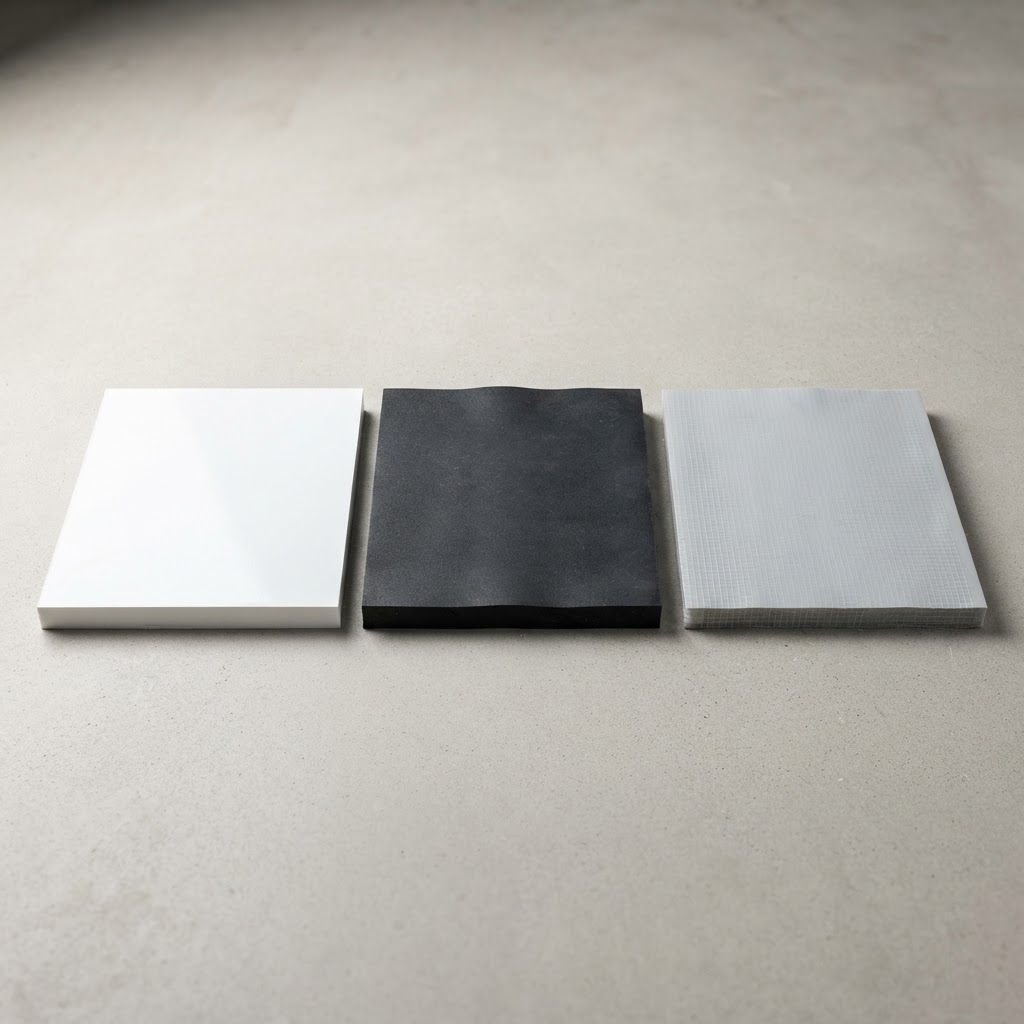
TPO, EPDM, and PVC are the three most common single-ply commercial roofing membranes, and they represent different strengths. TPO (thermoplastic polyolefin) is known for its reflective surface and heat-welded seams at a moderate cost. EPDM, a synthetic rubber membrane, is known for its long, proven durability. PVC (polyvinyl chloride) is known for its chemical resistance and welded seams.
Comparing cost
Cost is one factor in the comparison. TPO is generally moderate in cost, making it an economical single-ply option. EPDM is also generally economical. PVC typically costs more than TPO, reflecting its specialized chemical-resistant properties.
Comparing reflectivity and energy
TPO is known for its reflective, typically white surface, which reflects sunlight and can reduce cooling loads. PVC is also available in reflective options. Standard EPDM is traditionally black and absorbs rather than reflects heat, though reflective EPDM options exist.
Comparing durability and track record
Durability and track record are where EPDM particularly shines. EPDM is one of the longest-proven commercial membranes, with a long track record of durable performance. TPO, while widely used and effective, is a somewhat newer membrane whose formulations have evolved over the years.
Comparing chemical resistance
Chemical resistance is where PVC clearly leads. PVC resists grease, oils, chemicals, and other substances that can degrade other membranes, making it the go-to choice for buildings with such exposure — the classic example being restaurants.
Comparing seams
TPO and PVC are both thermoplastics with heat-welded seams, creating strong watertight bonds. EPDM historically used adhesive seams, though seaming technology has advanced over the years.
The role of installation quality
A theme worth emphasizing is that whichever system you choose, installation quality is critical. All three of these single-ply systems depend heavily on proper installation — the membrane must be correctly applied, the seams properly made, and the details around penetrations, edges, and flashing carefully executed.
TPO, EPDM, and PVC commercial roofing membranes compared for a Colorado building.
Frequently Asked Questions
- Licensed & insured — documentation available on request
- Free, documented roof inspections
- Real emergency service available
- 5-year workmanship warranty (manufacturer warranties vary by product)
- 30 years of construction experience
- Serving Denver, Adams, Arapahoe, Douglas, Jefferson, and El Paso counties
Promise Keepers Restoration
9615 E. County Line Rd, Ste. B-477, Centennial, CO 80112
Hours: Mon–Sat 8:00 AM–5:00 PM